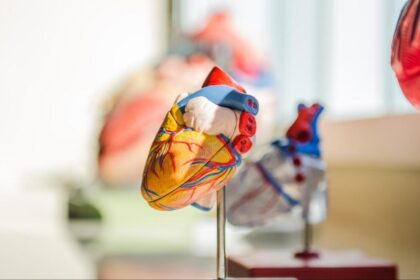



A diag image (short for diagnostic image) is a visual representation created using medical imaging technologies to look inside the human body without surgery. These images help doctors examine bones, organs, tissues, and even blood flow. In simple words, a diag image acts like a high-tech window that allows healthcare professionals to see what’s happening inside you — safely, quickly, and painlessly.
- Why Diag Images Are So Important
- Different Types of Diag Images
- X-Ray Imaging
- CT (Computed Tomography) Scan
- MRI (Magnetic Resonance Imaging)
- Ultrasound Imaging
- PET (Positron Emission Tomography) Scan
- Mammography
- How a Diag Image Is Taken
- When Do You Need a Diag Image?
- Benefits of Diag Images
- Risks and Safety Considerations
- Technological Advancements in Diag Imaging
- How to Prepare for a Diag Image Appointment
- How to Interpret Diag Image Results
- The Role of Radiologists
- The Future of Diag Imaging
- Frequently Asked Questions About Diag Images
- 1. What does a diag image show?
- 2. Is a diag image painful?
- 3. How long does a scan take?
- 4. Are diag images safe for children?
- 5. Do I need a doctor’s referral for imaging?
- Conclusion: Why Diag Images Matter in Modern Healthcare
Medical imaging plays a key role in diagnosing diseases, guiding treatments, and monitoring recovery. Common examples include X-rays, MRIs, CT scans, ultrasounds, and PET scans. Each of these imaging methods offers unique benefits, depending on what part of the body needs to be examined.
Why Diag Images Are So Important
Early Detection of Diseases
One of the greatest strengths of diagnostic imaging is early detection. A diag image can reveal issues like tumors, fractures, or infections long before symptoms appear. Early diagnosis means faster treatment and better chances of recovery.
Guidance for Accurate Treatment
Diag images help doctors plan and perform treatments with precision. Surgeons can use them to locate tumors, identify internal bleeding, or guide catheters during procedures. This precision reduces risks and improves patient safety.
Monitoring Healing Progress
Once treatment begins, diag images help track recovery. Doctors can see if a bone is healing, a tumor is shrinking, or an infection is clearing up. It’s like having a visual progress report inside your body.
Different Types of Diag Images
X-Ray Imaging
An X-ray is the most common form of diag imaging. It uses low-dose radiation to capture images of bones and certain tissues. It’s fast, safe, and widely available. X-rays are commonly used for checking fractures, chest conditions, and dental health.
CT (Computed Tomography) Scan
A CT scan combines multiple X-ray images from different angles to create detailed cross-sectional views. It offers more clarity than a traditional X-ray and is helpful in detecting injuries, tumors, and internal bleeding.
MRI (Magnetic Resonance Imaging)
MRI uses strong magnetic fields and radio waves instead of radiation. It provides extremely detailed images of soft tissues such as the brain, muscles, ligaments, and spinal cord. It’s especially valuable in diagnosing brain disorders, joint issues, and spinal injuries.
Ultrasound Imaging
Ultrasound uses sound waves to produce real-time images of organs and tissues. It’s often used in pregnancy scans, abdominal checks, and cardiovascular studies. It’s completely safe, painless, and radiation-free.
PET (Positron Emission Tomography) Scan
PET scans show how organs and tissues function, not just how they look. They use a small amount of radioactive material to detect cellular activity, making them especially useful in cancer diagnosis and treatment monitoring.
Mammography
This specialized X-ray technique is used to detect breast cancer at early stages. It helps identify lumps or abnormalities that might be too small to feel during physical exams.
How a Diag Image Is Taken
Step 1: Preparation
Depending on the type of scan, preparation varies. You might need to avoid food, remove jewelry, or change into a medical gown. The healthcare provider will give you clear instructions before the test.
Step 2: The Imaging Process
During the scan, you’ll be positioned carefully on a table or chair. The technologist ensures you remain still to prevent blurry results. Some tests require you to hold your breath or stay motionless for a few seconds.
Step 3: Image Analysis
Once the images are captured, a radiologist — a medical imaging expert — examines them. The radiologist identifies abnormalities and writes a report for your doctor, who then discusses the findings and next steps with you.
When Do You Need a Diag Image?
Diag images are ordered for many reasons, such as:
- When you have symptoms like pain, swelling, or shortness of breath.
- To diagnose conditions like fractures, tumors, or infections.
- To monitor the success of treatments, such as chemotherapy or bone healing.
- To perform preventive health screenings for cancer, heart disease, or other chronic illnesses.
Benefits of Diag Images
- Non-invasive: No need for surgery to see inside the body.
- Accurate diagnosis: Helps pinpoint the exact problem.
- Quick results: Many imaging tests take just minutes.
- Improved treatment plans: Doctors can make informed decisions.
- Peace of mind: Clear answers help reduce uncertainty for patients.
Risks and Safety Considerations
While diag imaging is generally safe, it’s important to be aware of potential risks.
Radiation Exposure
X-rays and CT scans involve small doses of radiation. Though the risk is minimal, unnecessary exposure should be avoided, especially for children and pregnant women.
Allergic Reactions
Some scans require contrast dyes for clearer images. A few people may experience mild allergic reactions to these dyes, which are usually manageable under medical supervision.
Cost and Accessibility
Advanced scans like MRI or PET can be expensive, and not every medical facility offers them. Always check insurance coverage or local options before scheduling.
Technological Advancements in Diag Imaging
AI-Powered Image Analysis
Artificial intelligence is transforming diagnostic imaging. AI can quickly detect patterns, highlight anomalies, and assist radiologists in making faster and more accurate decisions.
3D and 4D Imaging
Modern imaging systems create three-dimensional or even four-dimensional (real-time motion) images. These innovations provide better visualization during surgeries and advanced treatments.
Portable Imaging Devices
Portable ultrasound and mobile X-ray units are making diagnostic imaging accessible even in remote areas, improving healthcare equality worldwide.
How to Prepare for a Diag Image Appointment
- Follow instructions carefully: If fasting is required, stick to it.
- Avoid wearing metal items: They can interfere with imaging results.
- Inform about allergies: Especially if contrast dyes are used.
- Stay calm and still: Movement can distort the image.
- Ask questions: Understand what to expect before, during, and after the scan.
How to Interpret Diag Image Results
After your test, your doctor will receive a report from the radiologist. The report includes:
- Findings: Description of what the image shows.
- Impressions: Summary of possible diagnoses.
- Recommendations: Suggestions for further tests or treatments.
It’s important to discuss these results in detail with your doctor to fully understand what they mean for your health.
The Role of Radiologists
Radiologists are specialists trained to interpret diag images. They can detect subtle signs of disease that might be invisible to the human eye. Their expertise helps doctors make the right decisions, from diagnosis to treatment.
The Future of Diag Imaging
As technology continues to evolve, the future of diagnostic imaging looks brighter than ever. AI-driven analysis, virtual reality-assisted surgery, and faster, more accurate scanning methods are making diagnosis easier, safer, and more reliable. Soon, real-time imaging may even allow remote diagnoses by specialists worldwide.
Frequently Asked Questions About Diag Images
1. What does a diag image show?
It shows detailed pictures of internal organs, bones, or tissues, helping doctors detect abnormalities or diseases.
2. Is a diag image painful?
No. Most imaging methods are non-invasive and painless. You may feel slight discomfort when staying still or holding your breath.
3. How long does a scan take?
It depends on the type of test — X-rays take a few minutes, while MRIs can take up to an hour.
4. Are diag images safe for children?
Yes, but doctors minimize radiation exposure and choose safer alternatives like ultrasound or MRI when possible.
5. Do I need a doctor’s referral for imaging?
In most cases, yes. Diagnostic imaging is usually prescribed by a healthcare professional after assessing your symptoms.
Conclusion: Why Diag Images Matter in Modern Healthcare
Diag images are one of the most valuable tools in modern medicine. They allow doctors to detect diseases early, plan effective treatments, and monitor healing without surgery. With advanced technologies like AI, 3D imaging, and portable scanners, diagnostic imaging continues to revolutionize how healthcare professionals save lives and improve patient outcomes. Whether it’s a simple X-ray or a detailed MRI, each diag image plays a crucial role in your health journey. By understanding how these images work, you can take an active role in your medical care and make informed decisions about your well-being.