


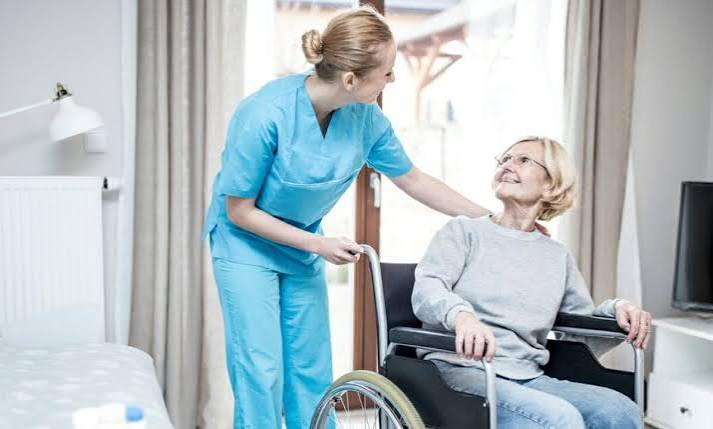
Taking care of elderly family members is a responsibility filled with love, patience, and sometimes challenges. As people age, they may need extra help with daily activities, medical needs, and emotional support. This is where nursing care services for elderly patients at home become very important.
- What Are Nursing Care Services for Elderly Patients at Home?
- Types of Home Nursing Care Services
- 1. Personal Care Assistance
- 2. Medical Care at Home
- 3. Post-Hospitalization Care
- 4. Chronic Disease Management
- 5. Companionship and Emotional Support
- Benefits of Nursing Care Services at Home
- 1. Comfort of Home
- 2. Personalized Attention
- 3. Faster Recovery
- 4. Cost-Effective Solution
- 5. Independence and Dignity
- 6. Reduced Risk of Infections
- Who Needs Home Nursing Care?
- Role of a Home Nurse or Caregiver
- Emotional Importance of Home Care
- How to Choose the Right Home Nursing Service
- Future of Home Nursing Care
- Conclusion
- Frequently Asked Questions (FAQs)
These services allow seniors to receive professional medical and personal care while staying in the comfort of their own home. Instead of moving to a hospital or nursing facility, they can stay close to their family, memories, and familiar surroundings.
In this article, we will explain what home nursing care is, what services it includes, its benefits, and why it is becoming a preferred choice for families today.
What Are Nursing Care Services for Elderly Patients at Home?
Nursing care services at home refer to professional healthcare support provided to elderly individuals in their own residence. Trained nurses or caregivers visit the home to assist with medical needs, daily living activities, and overall health monitoring.
These services can be short-term (after surgery or illness) or long-term (for chronic conditions or aging-related support).
The main goal is simple:
To help elderly patients live safely, comfortably, and independently at home while receiving proper medical attention.
Types of Home Nursing Care Services
Home nursing is not just about giving medicine. It includes a wide range of services depending on the patient’s condition.
1. Personal Care Assistance
Elderly patients often need help with daily tasks such as:
- Bathing and grooming
- Dressing
- Eating and drinking
- Mobility support (walking or getting in/out of bed)
This helps them maintain dignity and hygiene.
2. Medical Care at Home
Professional nurses provide medical support like:
- Giving injections
- Wound dressing and care
- Monitoring blood pressure and sugar levels
- Administering prescribed medicines
This ensures proper treatment without frequent hospital visits.
3. Post-Hospitalization Care
After surgery or serious illness, elderly patients need extra care. Home nurses help with:
- Recovery monitoring
- Pain management support
- Physiotherapy assistance
- Preventing complications
This speeds up recovery in a familiar environment.
4. Chronic Disease Management
Many elderly people suffer from long-term conditions such as diabetes, heart disease, or arthritis. Home nursing helps by:
- Regular health monitoring
- Medication management
- Diet and lifestyle guidance
- Emergency response support
5. Companionship and Emotional Support
Loneliness is a common issue among elderly individuals. Caregivers also provide:
- Friendly conversation
- Emotional support
- Mental engagement activities like reading or games
This improves mental well-being and reduces depression.
Benefits of Nursing Care Services at Home
Choosing home nursing care has many advantages for both patients and families.
1. Comfort of Home
Elderly patients feel more relaxed and safe in their own environment. Being surrounded by family and familiar things helps emotional healing.
2. Personalized Attention
Unlike hospitals, home care focuses on one patient at a time. This allows caregivers to give full attention and customized care.
3. Faster Recovery
Studies show that patients recover faster at home because they experience less stress and better emotional support.
4. Cost-Effective Solution
Home nursing can be more affordable than long hospital stays or nursing homes, especially for long-term care.
5. Independence and Dignity
Elderly individuals can maintain their independence while still receiving help when needed. This improves self-confidence.
6. Reduced Risk of Infections
Hospitals can expose patients to infections. Home care reduces this risk significantly.
Who Needs Home Nursing Care?
Home nursing services are ideal for:
- Elderly individuals with mobility issues
- Patients recovering from surgery or illness
- People with chronic diseases
- Seniors with memory issues like dementia
- Individuals needing palliative or end-of-life care
Even elderly people who are generally healthy but need occasional assistance can benefit.
Role of a Home Nurse or Caregiver
A trained home nurse plays an important role in elderly care. Their responsibilities include:
- Checking vital signs regularly
- Following doctor’s instructions
- Assisting in personal hygiene
- Helping with medications
- Observing changes in health condition
- Communicating with family members about progress
They act as a bridge between the doctor and the patient at home.
Emotional Importance of Home Care
Beyond physical health, emotional well-being is equally important for elderly people. Many seniors feel lonely, especially if they live away from children or friends.
Home nursing care provides:
- A sense of companionship
- Emotional stability
- Reduced anxiety and stress
- Improved quality of life
A kind caregiver can make a big difference in an elderly person’s happiness.
How to Choose the Right Home Nursing Service
Selecting the right service is important for proper care. Here are some tips:
- Check caregiver qualifications and training
- Ensure experience in elderly care
- Look for background verification
- Ask about emergency handling skills
- Read reviews or ask for recommendations
- Confirm availability (24/7 or part-time)
A trustworthy service ensures safety and peace of mind for families.
Future of Home Nursing Care
With increasing aging populations and busy lifestyles, home nursing care is becoming more popular worldwide. Technology is also improving services through:
- Telemedicine consultations
- Remote health monitoring devices
- Digital health records
In the future, elderly care at home will become even more advanced and accessible.
Conclusion
Nursing care services for elderly patients at home provide a compassionate and effective way to support aging individuals. They combine medical care, personal assistance, and emotional support—all in the comfort of home.
This type of care not only improves health outcomes but also brings peace of mind to families. It allows elderly people to live with dignity, comfort, and love in their golden years.
Choosing home nursing care is not just a medical decision—it is a decision filled with care, respect, and humanity.
Frequently Asked Questions (FAQs)
1. What are nursing care services for elderly patients at home?
These are professional healthcare services provided at home to help elderly people with medical treatment, daily activities, and emotional support.
2. Is home nursing care better than hospital care?
It depends on the patient’s condition. For non-critical or recovery cases, home care is often more comfortable and cost-effective.
3. What services do home nurses provide?
They assist with medication, wound care, health monitoring, personal hygiene, and daily living activities.
4. Can home nursing care help with dementia patients?
Yes, trained caregivers can help manage dementia patients by ensuring safety, routine care, and emotional support.
5. How much does home nursing care cost?
Costs vary depending on location, duration, and level of care needed. However, it is often more affordable than long hospital stays