


Rather than waiting for symptoms to appear before seeking care, patients benefit from seeking proactive health screenings that can detect problems early. Body imaging is key to this approach. Physicians use non-invasive imaging to examine internal structures with precision, and understanding what these screenings involve can help patients make more informed decisions about their health. Here is more information on comprehensive health screenings:
What Are Comprehensive Health Screenings?
Comprehensive health screenings are structured medical evaluations designed to assess a patient’s overall health. They may combine physical examinations, laboratory tests, and diagnostic imaging, which helps physicians build a complete health profile. Body imaging is often included to evaluate organs, tissues, and bones that cannot be assessed through a physical exam alone. These screenings may be recommended on a routine basis, but a physician will determine which components are appropriate for each patient.
Why Are They Conducted?
The primary purpose of a comprehensive health screening is early detection. Some conditions, including cardiovascular disease, tumors, and organ abnormalities, develop without noticeable symptoms in their early stages. Screenings are used to monitor existing conditions, and they guide treatment planning. By identifying issues before they progress, patients and their healthcare providers can make more informed decisions.
What Is Body Imaging?
Body imaging refers to a category of diagnostic techniques that produce visual representations of internal anatomy, facilitating accurate diagnosis. These techniques are non-invasive, and they allow radiologists to assess organs, tissues, bones, and blood vessels with precision. Four standard imaging modalities are ultrasound, X-rays, CT scans, and MRI.
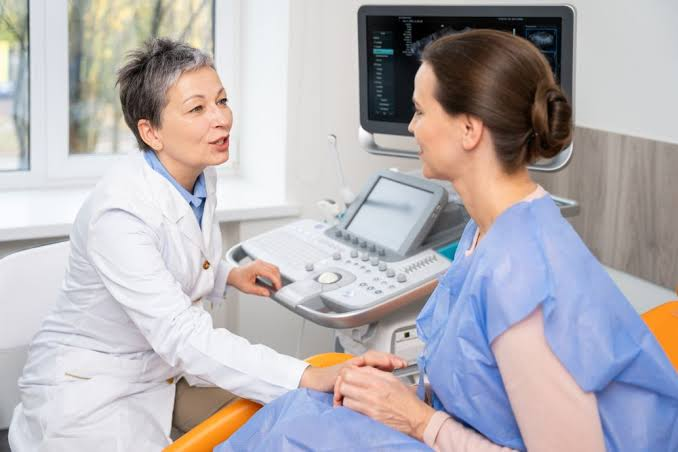
Ultrasound uses high-frequency sound waves to generate real-time images of soft tissues and organs, and it is commonly used to evaluate the abdomen, pelvis, thyroid, and vascular system. Since ultrasound does not use radiation, it is recommended for patients of all ages. X-rays are effective for visualizing bones and detecting fractures, infections, and abnormalities within the chest.
CT scans (computed tomography) combine multiple X-ray images taken from different angles, thereby producing detailed cross-sectional views of the body. CT scans are used to examine the brain, spine, chest, abdomen, and pelvis in greater detail than standard X-rays, and they are effective in detecting tumors, internal bleeding, and complex bone injuries. MRI scans (magnetic resonance imaging) use magnetic fields and radio waves to create detailed images of soft tissues, muscles, and organs. Unlike CT scans, MRI does not use ionizing radiation.
What Are the Benefits?
Body imaging offers several benefits within health screenings, including:
- Early abnormality detection: Identifies conditions at earlier stages, potentially enabling expanded treatment options and improved outcomes.
- Objective diagnostic support: Provides physicians with visual data to support accurate diagnosis and enable targeted treatment planning.
- Reduction of invasive procedures: Reveals internal conditions non-invasively, allowing patients to avoid unnecessary biopsies or surgeries.
These benefits contribute to a more efficient and less disruptive diagnostic process.
Learn More About Body Imaging
Comprehensive health screenings that include body imaging give clinicians a detailed, accurate view of your internal health. Each modality serves a specific diagnostic purpose, and they contribute to a more complete assessment. They support early detection, accurate diagnosis, and well-informed treatment planning. To learn more about your imaging options or to schedule a screening, speak with a radiologist at your nearest imaging center.
- The Role of Preventive Cardiology in Family Health History
- Benefits of Body Imaging in Comprehensive Health Screenings
- Utilizing Physical Therapy for Effective Weight Management
- Easy Health Articles for Patients and Families
- Annual Wellness Exam for Women Package: A Complete Guide to Lifelong Health