

When people hear the words endoscopy and colonoscopy, they often feel nervous or confused. These medical tests may sound complicated, but in reality, they are safe, common, and very important for finding problems inside the body early. A modern endoscopy and colonoscopy services clinic helps doctors look inside your digestive system to diagnose diseases, prevent serious conditions, and guide the right treatment.
- What Is an Endoscopy?
- What Is a Colonoscopy?
- Why an Endoscopy and Colonoscopy Clinic Is Important
- How the Procedures Are Performed
- Benefits of Endoscopy and Colonoscopy Services
- 1. Early Disease Detection
- 2. Cancer Prevention
- 3. Accurate Diagnosis
- 4. Safe and Minimally Invasive
- 5. Fast Recovery
- Conditions Diagnosed in These Clinics
- Who Should Visit an Endoscopy and Colonoscopy Clinic?
- How to Choose the Right Clinic
- Safety of These Procedures
- Final Thoughts
- Frequently Asked Questions (FAQs)
In this article, we will explain everything in a simple and human way—what these services are, why they are needed, how they work, and what you can expect during your visit to a clinic.
What Is an Endoscopy?
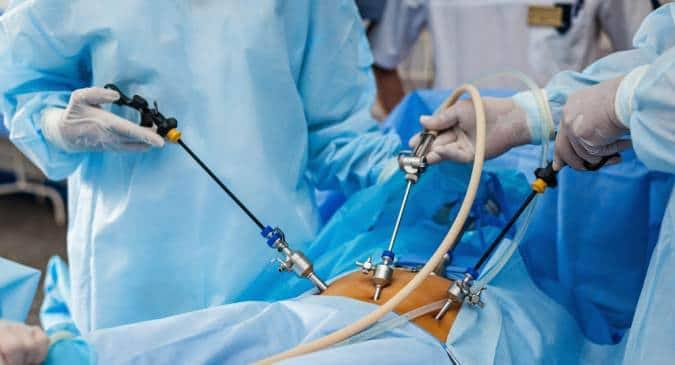
An endoscopy is a medical procedure where a doctor uses a thin, flexible tube with a small camera on the end (called an endoscope) to look inside your body. This tube is gently inserted through natural openings like the mouth.
It helps doctors examine:
- Food pipe (esophagus)
- Stomach
- Upper part of the small intestine
Why Endoscopy Is Done
Doctors may recommend an endoscopy if you have symptoms like:
- Persistent stomach pain
- Difficulty swallowing
- Acid reflux or heartburn
- Vomiting or nausea
- Unexplained weight loss
- Internal bleeding signs
Endoscopy helps detect conditions such as ulcers, inflammation, infections, or even early signs of cancer.
What Is a Colonoscopy?
A colonoscopy is another important test that allows doctors to examine the large intestine (colon) and rectum. A long, flexible tube with a camera is gently inserted through the rectum to view the inside of the colon.
Why Colonoscopy Is Done
A colonoscopy is commonly used to check:
- Persistent constipation or diarrhea
- Blood in stool
- Abdominal pain
- Screening for colon cancer
- Unexplained weight loss
It is one of the most effective tests for detecting colon cancer early, when it is most treatable.
Why an Endoscopy and Colonoscopy Clinic Is Important
A specialized endoscopy and colonoscopy services clinic is designed to provide safe, comfortable, and accurate diagnostic care for patients with digestive issues.
These clinics usually offer:
- Modern diagnostic equipment
- Experienced gastroenterologists
- Sterile and safe procedure rooms
- Sedation options for comfort
- Quick test results and reports
The goal is to make the patient experience smooth and stress-free while ensuring accurate diagnosis.
How the Procedures Are Performed
1. Before the Procedure
Before an endoscopy or colonoscopy, the doctor gives instructions such as:
- Fasting for several hours
- Cleaning the bowel (for colonoscopy)
- Avoiding certain medications
- Signing a consent form
These steps help ensure a clear view during the procedure.
2. During the Procedure
- You are usually given mild sedation to relax
- A thin camera tube is gently inserted
- The doctor views live images on a screen
- Small tissue samples may be taken if needed (biopsy)
The procedure is not painful, although you may feel slight pressure or discomfort.
3. After the Procedure
- You rest until sedation wears off
- Mild bloating or gas may occur
- Most patients go home the same day
- Results are shared after analysis
Recovery is usually quick and smooth.
Benefits of Endoscopy and Colonoscopy Services
A good clinic offering these services provides many benefits:
1. Early Disease Detection
These tests help detect diseases before they become serious.
2. Cancer Prevention
Colonoscopy can find and remove polyps before they turn into cancer.
3. Accurate Diagnosis
Doctors get a clear view inside the digestive system.
4. Safe and Minimally Invasive
No major surgery is needed.
5. Fast Recovery
Most patients return to normal life within a few hours.
Conditions Diagnosed in These Clinics
An endoscopy and colonoscopy clinic can help diagnose many conditions, such as:
- Gastric ulcers
- Acid reflux disease (GERD)
- Inflammatory bowel disease (IBD)
- Irritable bowel syndrome (IBS)
- Colon polyps
- Internal bleeding
- Digestive tract infections
- Early cancers of the stomach or colon
Who Should Visit an Endoscopy and Colonoscopy Clinic?
You may need to visit if you experience:
- Long-term stomach discomfort
- Blood in stool or vomit
- Sudden weight loss
- Chronic constipation or diarrhea
- Family history of digestive cancer
- Ongoing acidity or indigestion
Doctors may also recommend routine screening for people above 40–50 years of age.
How to Choose the Right Clinic
When selecting an endoscopy and colonoscopy services clinic, consider:
1. Experienced Doctors
Look for qualified gastroenterologists.
2. Modern Equipment
Advanced cameras provide more accurate results.
3. Hygiene and Safety
Clean and sterile environment is very important.
4. Patient Comfort
Sedation and caring staff make the process easier.
5. Clear Reporting
Fast and detailed test results help in quick treatment.
Safety of These Procedures
Both endoscopy and colonoscopy are very safe when performed by trained professionals. Complications are rare, but like any medical procedure, small risks may include:
- Mild bleeding (especially after biopsy)
- Temporary bloating or gas
- Rare reactions to sedation
Doctors always monitor patients carefully to ensure safety.
Final Thoughts
An endoscopy and colonoscopy services clinic plays a very important role in modern healthcare. These procedures help doctors look inside the digestive system without surgery, making diagnosis faster, safer, and more accurate.
If you have ongoing digestive symptoms or are due for a routine check-up, visiting a trusted clinic can protect your long-term health. Early detection is always better than late treatment, especially when it comes to stomach and colon diseases.
Taking care of your digestive health today can save you from serious problems in the future.
Frequently Asked Questions (FAQs)
1. Is endoscopy painful?
No, endoscopy is usually not painful. Patients are given mild sedation to keep them relaxed during the procedure.
2. How long does a colonoscopy take?
A colonoscopy usually takes about 20 to 45 minutes, depending on the condition being checked.
3. Do I need to stay in the hospital after the procedure?
Most patients go home the same day after a short recovery period.
4. What should I eat after endoscopy or colonoscopy?
Doctors usually recommend light meals like soup, rice, or soft foods after the procedure.
5. How often should I get a colonoscopy?
For healthy adults, it is generally recommended every 10 years after age 45–50, or earlier if there is a family history of colon disease.