


What Is Forward Flexion?
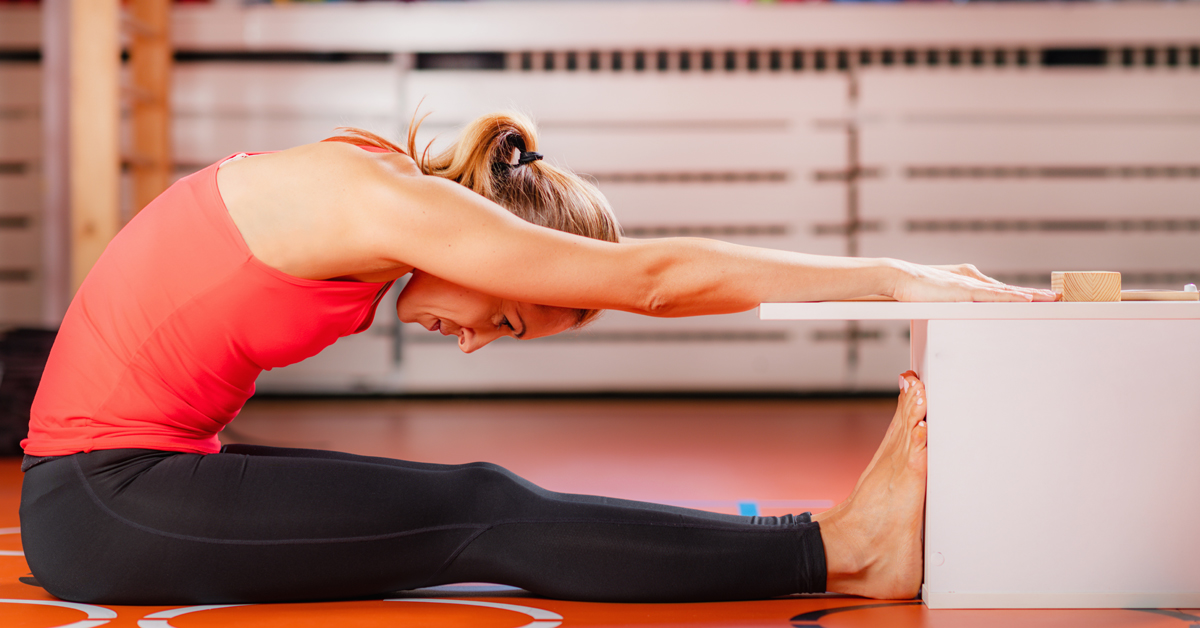
Forward flexion refers to the movement where you bend your body forward, typically at the hip or spine, to bring your chest closer to your legs. It’s one of the most basic yet essential motions in human movement. You perform it when tying your shoes, picking up something off the floor, or stretching your back. In anatomy and exercise science, forward flexion is an important range-of-motion test used to assess spine flexibility, muscle balance, and joint mobility.
- What Is Forward Flexion?
- Anatomy Behind Forward Flexion
- Types of Forward Flexion
- 1. Lumbar Forward Flexion
- 2. Cervical Forward Flexion
- 3. Hip Forward Flexion
- 4. Shoulder Forward Flexion
- Benefits of Forward Flexion Exercises
- 1. Improves Flexibility
- 2. Enhances Posture
- 3. Reduces Back Pain
- 4. Boosts Blood Circulation
- 5. Aids Stress Relief
- Forward Flexion Tests in Medicine
- Common Mistakes During Forward Flexion
- Correct Technique for Forward Flexion
- Forward Flexion in Yoga
- 1. Uttanasana (Standing Forward Bend)
- 2. Paschimottanasana (Seated Forward Bend)
- 3. Child’s Pose (Balasana)
- 4. Pyramid Pose (Parsvottanasana)
- Forward Flexion and Injury Prevention
- Rehabilitation and Therapy Uses
- When to Avoid Forward Flexion
- Advanced Variations of Forward Flexion
- Tips for Safe Practice
- Importance of Consistency
- Final Thoughts on Forward Flexion
This simple motion has a deep connection to how we move, train, and even recover from injuries. Whether you’re an athlete, a physical therapy patient, or just someone wanting better posture, understanding forward flexion is key to maintaining a healthy, functional body.
Anatomy Behind Forward Flexion
To understand forward flexion, we need to look at which parts of the body work together during this motion.
Muscles Involved
Several muscle groups work together when you perform forward flexion:
- Hamstrings: These muscles at the back of your thighs control how far you can bend forward.
- Erector Spinae: The long muscles along your spine help you control and stabilize your back during movement.
- Abdominals: Your core muscles help guide the bending motion and support your spine.
- Gluteus Maximus: The glutes help stabilize your pelvis as you move forward.
Joints and Bones
The primary joint involved in forward flexion is the hip joint, which acts as the main hinge. The lumbar spine (lower back) also plays a key role, providing flexibility and control throughout the motion.
When performed correctly, forward flexion maintains a neutral spine while allowing the hips to move freely, reducing stress on the back.
Types of Forward Flexion
Forward flexion can vary depending on the body part being assessed or the exercise being performed.
1. Lumbar Forward Flexion
This movement focuses on the lower spine’s ability to bend forward. It’s commonly tested in physical therapy to measure spinal mobility and recovery progress after back injuries.
2. Cervical Forward Flexion
This refers to bending your neck forward to bring your chin closer to your chest. It’s used to test neck flexibility and detect stiffness caused by muscle strain or poor posture.
3. Hip Forward Flexion
In this type, the hips move while the spine stays mostly stable. It’s a crucial motion for athletes, dancers, and people who sit for long periods.
4. Shoulder Forward Flexion
This involves raising your arm straight in front of your body, testing the mobility of the shoulder joint. It’s important in assessing upper-body range of motion.
Benefits of Forward Flexion Exercises
Practicing forward flexion correctly offers several benefits for your body and overall health.
1. Improves Flexibility
Regularly performing forward flexion stretches your hamstrings, glutes, and spine, improving flexibility and mobility.
2. Enhances Posture
When you strengthen the muscles that support forward flexion, your spine alignment improves, reducing slouching and postural imbalance.
3. Reduces Back Pain
Gentle forward flexion can release tension in your lower back, especially when done under supervision or as part of a rehabilitation program.
4. Boosts Blood Circulation
The bending motion helps increase blood flow to your spine and legs, promoting muscle recovery and joint health.
5. Aids Stress Relief
Forward bending poses in yoga, like Uttanasana or Seated Forward Fold, are known for calming the nervous system and reducing anxiety.
Forward Flexion Tests in Medicine
In physical therapy and orthopedics, forward flexion tests are essential for diagnosing movement limitations, muscle tightness, and spinal issues.
Lumbar Flexion Test
The patient bends forward while keeping knees straight, and the examiner measures the distance between the fingertips and the floor. This test helps identify hamstring tightness, disc herniation, or scoliosis.
Shoulder Flexion Test
Here, the patient lifts one arm forward and upward as far as possible. Limited range may indicate rotator cuff injury or joint stiffness.
Cervical Flexion Test
This test evaluates neck mobility. Limited cervical forward flexion may suggest muscle spasms, whiplash injury, or cervical spondylosis.
Hip Flexion Test
Performed with the patient lying flat, the examiner raises one leg while keeping the knee straight. Restricted motion often points to tight hamstrings or hip joint dysfunction.
Common Mistakes During Forward Flexion
Even though forward flexion looks simple, many people perform it incorrectly, leading to muscle strain or poor results.
1. Rounding the Lower Back
One of the biggest mistakes is letting the lower back round excessively. This puts unnecessary pressure on the spinal discs and can cause pain.
2. Locking the Knees
Locking your knees limits flexibility and increases strain on your hamstrings. Always keep a slight bend in the knees.
3. Pulling Too Hard
Forcing your body deeper into a stretch can lead to muscle tears. Forward flexion should always be slow, controlled, and pain-free.
4. Neglecting the Core
Ignoring core engagement reduces stability and increases your risk of lower back strain. Always engage your abdominals before bending forward.
Correct Technique for Forward Flexion
To get the full benefits without risking injury, it’s crucial to learn the proper technique.
Standing Forward Flexion (Hamstring Stretch)
- Stand tall with feet hip-width apart.
- Take a deep breath and lengthen your spine.
- Slowly hinge forward at your hips, keeping your back straight.
- Let your arms hang toward the floor naturally.
- Stop when you feel a stretch in your hamstrings.
- Hold for 20–30 seconds, then rise back up slowly.
Seated Forward Flexion (For Relaxation)
- Sit on the floor with your legs extended.
- Inhale and reach your arms overhead.
- Exhale and fold forward from your hips.
- Keep your spine long and avoid rounding your back.
- Hold the stretch, breathing deeply for 30 seconds to 1 minute.
Forward Flexion in Yoga
Yoga integrates several forward flexion poses that improve flexibility and calm the mind.
1. Uttanasana (Standing Forward Bend)
This pose stretches the entire back of your body and relieves tension from the spine.
2. Paschimottanasana (Seated Forward Bend)
A deeper stretch that improves hamstring flexibility and promotes relaxation.
3. Child’s Pose (Balasana)
Although not a full flexion, it offers gentle spinal stretching and relaxation.
4. Pyramid Pose (Parsvottanasana)
This standing pose strengthens the legs while enhancing hip and spine mobility.
Forward Flexion and Injury Prevention
Practicing proper forward flexion not only improves mobility but also reduces the risk of injury. By training your body to move safely and efficiently, you protect your spine and joints from unnecessary stress.
Helps in Sports
Athletes benefit from improved hip and hamstring flexibility, which enhances running, jumping, and lifting performance.
Supports Daily Activities
Forward flexion training makes everyday tasks—like reaching, bending, or lifting—safer and easier.
Prevents Lower Back Pain
When done correctly, it strengthens the spine and reduces the likelihood of strain caused by poor movement mechanics.
Rehabilitation and Therapy Uses
In physical therapy, controlled forward flexion is often used for rehabilitation after spine or hip injuries.
Postural Correction
Patients with poor posture perform forward flexion exercises to retrain muscles and improve alignment.
Spinal Mobility Recovery
Gentle flexion stretches are part of recovery programs for herniated discs or lumbar stiffness.
Muscle Re-education
Therapists use progressive forward flexion exercises to help patients regain strength and coordination.
When to Avoid Forward Flexion
Although forward flexion is beneficial, it’s not suitable for everyone. Avoid or modify the movement if you have:
- Severe herniated discs or acute back pain
- Sciatica with nerve compression
- Recent spinal surgery
- Osteoporosis or bone fragility
- Hamstring or hip injuries
Always consult a physical therapist or doctor before attempting forward flexion if you have chronic pain or medical conditions.
Advanced Variations of Forward Flexion
Once you’ve mastered basic movements, try these variations for more challenge and mobility gains.
Dynamic Forward Flexion
Performed with controlled motion to warm up before workouts. It helps increase blood flow and reduce stiffness.
Weighted Forward Flexion
Using light dumbbells or resistance bands enhances strength and stability while maintaining form.
Assisted Forward Flexion
Using yoga straps or a partner helps you deepen the stretch safely without straining.
Tips for Safe Practice
- Always warm up before flexion exercises.
- Avoid bouncing or jerky movements.
- Breathe steadily—inhale before bending, exhale as you go deeper.
- Engage your core muscles for spinal protection.
- Stop immediately if you feel sharp pain.
Importance of Consistency
Forward flexion benefits develop over time. Practicing consistently—just 5 to 10 minutes a day—can significantly improve flexibility and relieve tightness. Combine forward flexion with other movements like extension, rotation, and side bending for a balanced spine and stronger core.
Final Thoughts on Forward Flexion
Forward flexion is more than just a simple bend—it’s a vital movement that reflects your body’s flexibility, balance, and control. Whether you’re doing it as part of a workout, yoga routine, or rehab session, mastering this motion can transform how you move and feel every day.
Stay patient, stay consistent, and always prioritize form over depth. With time, forward flexion can become your best tool for better posture, pain relief, and total-body mobility.