

Skin is one of the most important parts of our body, and its appearance often affects our confidence. Problems like scars, dark spots, and uneven skin tone are very common. Many people search for “laser skin treatment for scars and pigmentation” because they want a modern, effective solution to improve their skin.
- What is Laser Skin Treatment?
- What Problems Can Laser Treatment Fix?
- 1. Acne Scars
- 2. Pigmentation
- 3. Injury or Surgical Scars
- 4. Uneven Skin Tone
- 5. Fine Lines and Skin Texture
- How Does Laser Skin Treatment Work?
- Types of Laser Skin Treatments
- Procedure of Laser Skin Treatment
- Step 1: Skin Consultation
- Step 2: Cleaning the Skin
- Step 3: Numbing Cream
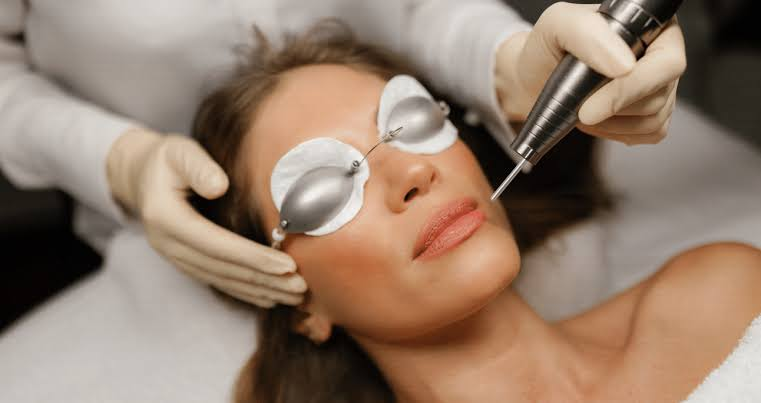
- Step 4: Laser Application
- Step 5: Cooling and Aftercare
- How Many Sessions Are Needed?
- Benefits of Laser Skin Treatment
- 1. Improves Skin Appearance
- 2. Boosts Confidence
- 3. Minimal Invasive Procedure
- 4. Quick Recovery
- 5. Long-Lasting Results
- Possible Side Effects
- Aftercare Tips for Better Results
- 1. Avoid Sun Exposure
- 2. Keep Skin Moisturized
- 3. Do Not Scratch or Rub Skin
- 4. Avoid Makeup for Few Days
- 5. Follow Doctor’s Instructions
- Who Should Avoid Laser Treatment?
- Final Thoughts
Laser treatment has become one of the most popular dermatology procedures today. It is safe, advanced, and can give noticeable results when done by a trained skin specialist. In this article, we will explain what laser skin treatment is, how it works, its benefits, types, procedure, side effects, and what results you can expect.
What is Laser Skin Treatment?
Laser skin treatment is a medical procedure that uses focused light energy to improve skin problems. The word “laser” stands for Light Amplification by Stimulated Emission of Radiation.
In simple terms, lasers send a controlled beam of light into the skin to:
- Remove damaged skin layers
- Stimulate new skin growth
- Reduce pigmentation (dark spots)
- Improve scars and skin texture
It is commonly performed by dermatologists in clinics or skin care centers.
What Problems Can Laser Treatment Fix?
Laser skin treatment is used for many skin concerns, especially:
1. Acne Scars
These are marks left after acne heals. They can be deep or shallow and may affect confidence.
2. Pigmentation
Pigmentation means uneven skin color or dark patches on the skin. It includes:
- Sun spots
- Melasma (hormonal dark patches)
- Age spots
3. Injury or Surgical Scars
Scars from cuts, burns, or surgery can also be improved with lasers.
4. Uneven Skin Tone
Laser helps brighten dull and uneven skin.
5. Fine Lines and Skin Texture
Some laser treatments also reduce early signs of aging.
How Does Laser Skin Treatment Work?
Laser works by targeting specific layers of the skin.
There are two main actions:
1. Removing Damaged Skin
The laser gently removes the outer damaged layer of skin. This helps reduce scars, spots, and pigmentation.
2. Stimulating Collagen Production
Collagen is a protein that keeps skin firm and smooth. Laser treatment boosts collagen production, which helps skin heal naturally and look younger.
Over time, new healthy skin replaces the damaged skin, improving overall appearance.
Types of Laser Skin Treatments
Different types of lasers are used depending on the skin problem.
1. Fractional Laser
This is one of the most popular treatments for acne scars and wrinkles. It treats small areas of skin while leaving surrounding skin untouched, helping faster healing.
2. CO2 Laser
This is a stronger laser used for deep scars and severe skin damage. It removes layers of skin and helps in major skin resurfacing.
3. Erbium Laser
A gentler option compared to CO2 laser. It is used for mild scars and pigmentation with less recovery time.
4. Q-Switched Laser
This laser is mainly used for pigmentation, dark spots, and melasma. It breaks down excess pigment in the skin.
5. Pico Laser
A modern and advanced laser that works very quickly. It is effective for stubborn pigmentation and tattoo removal as well.
Procedure of Laser Skin Treatment
The treatment process is simple but should always be done by a qualified dermatologist.
Step 1: Skin Consultation
The doctor examines your skin type, scars, and pigmentation level.
Step 2: Cleaning the Skin
The treatment area is cleaned properly to remove oil and dirt.
Step 3: Numbing Cream
A numbing cream is applied to reduce discomfort during the procedure.
Step 4: Laser Application
The dermatologist uses a laser device on the skin. You may feel mild warmth or tingling.
Step 5: Cooling and Aftercare
After treatment, cooling creams or ice packs are applied to calm the skin.
The session usually takes 20 to 60 minutes depending on the area.
How Many Sessions Are Needed?
The number of sessions depends on:
- Type of scar
- Depth of pigmentation
- Skin type
- Type of laser used
Usually:
- Mild cases: 2–3 sessions
- Moderate cases: 4–6 sessions
- Severe scars: 6–8 or more sessions
Sessions are usually spaced 3–6 weeks apart.
Benefits of Laser Skin Treatment
Laser treatment offers many advantages:
1. Improves Skin Appearance
It reduces scars and dark spots, making skin smoother and clearer.
2. Boosts Confidence
Clear skin can greatly improve self-esteem.
3. Minimal Invasive Procedure
No cuts or surgery are required.
4. Quick Recovery
Most people can return to normal life within a few days.
5. Long-Lasting Results
With proper care, results can last for a long time.
Possible Side Effects
Laser treatment is generally safe, but some temporary side effects may include:
- Redness of skin
- Mild swelling
- Dryness or peeling
- Sensitivity to sunlight
These effects usually go away within a few days.
Rare side effects may occur if aftercare is not followed properly.
Aftercare Tips for Better Results
Proper aftercare is very important for healing and best results.
1. Avoid Sun Exposure
Always use sunscreen with high SPF when going outside.
2. Keep Skin Moisturized
Use gentle, fragrance-free moisturizers.
3. Do Not Scratch or Rub Skin
Let the skin heal naturally.
4. Avoid Makeup for Few Days
Give your skin time to recover.
5. Follow Doctor’s Instructions
Use prescribed creams or medicines regularly.
Who Should Avoid Laser Treatment?
Laser treatment may not be suitable for everyone. It is not recommended for:
- Pregnant women (in some cases)
- People with active skin infections
- Those with very sensitive skin conditions
- Patients taking certain medications (as advised by doctor)
A dermatologist will decide after proper evaluation.
Final Thoughts
Laser skin treatment for scars and pigmentation is one of the most effective modern solutions for improving skin appearance. It works by removing damaged skin layers and promoting new healthy skin growth.
While results are not instant, consistent sessions and proper aftercare can lead to smooth, clear, and glowing skin. However, it is very important to consult a qualified dermatologist before starting treatment to ensure safety and best results.
Healthy skin is not just about beauty—it is also about confidence and well-being.
FAQs
1. Is laser skin treatment painful?
Most people feel only mild discomfort or a warm sensation. Numbing cream is used to reduce pain.
2. How long does it take to see results?
Visible improvement can be seen after a few sessions, but full results usually take a few weeks to months.
3. Can laser remove deep acne scars completely?
Laser can significantly reduce deep scars, but complete removal may not always be possible.
4. Is laser treatment safe for all skin types?
Yes, but the type of laser and settings are adjusted based on skin tone and condition.
5. How long does recovery take after laser treatment?
Recovery usually takes 3 to 7 days for mild treatments and up to 2 weeks for stronger procedures.