


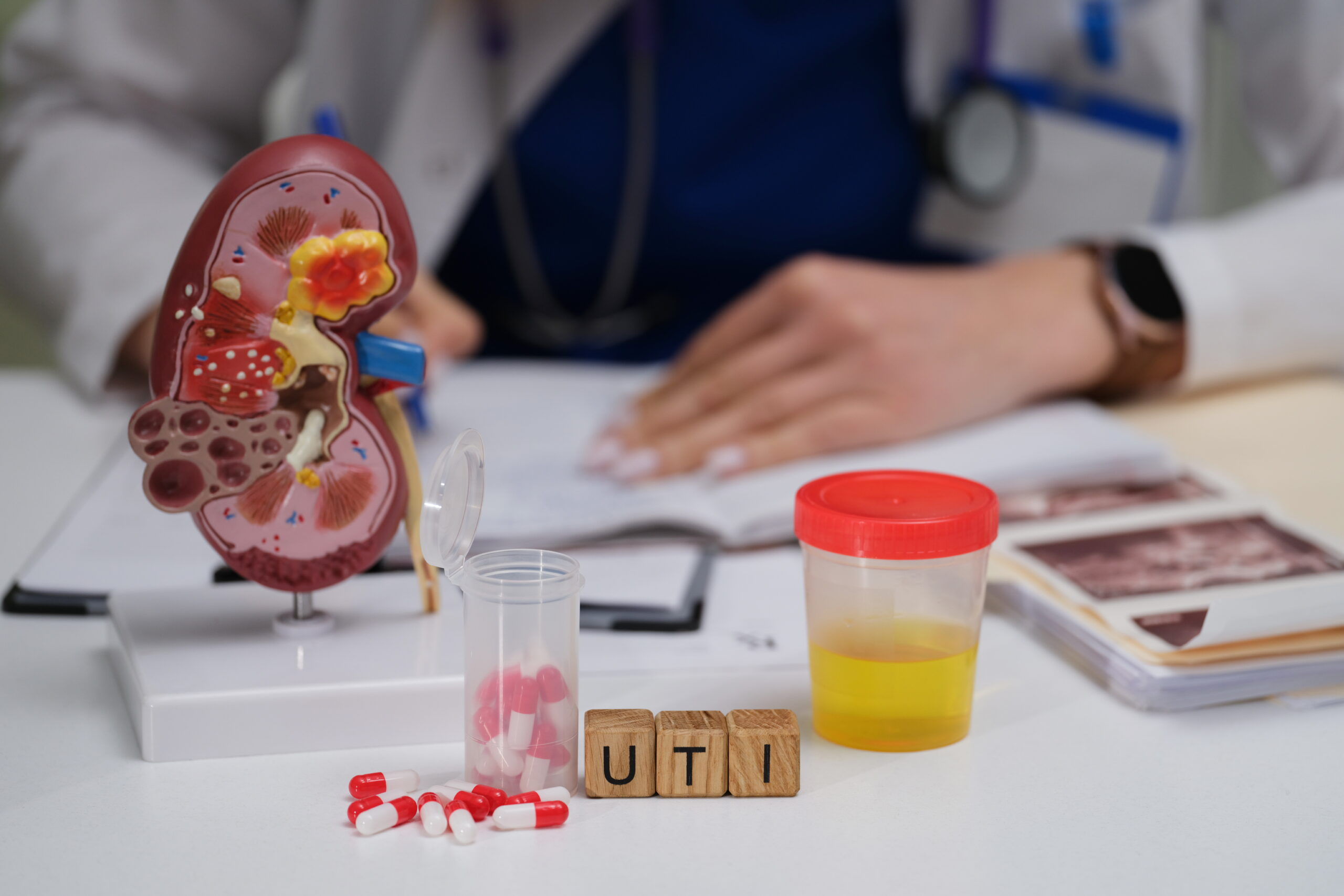
A urinary tract infection, commonly called UTI, is a very common health problem that can affect both men and women, although it is more frequent in women. It happens when bacteria enter the urinary system, which includes the kidneys, bladder, urethra, and ureters. When this infection is not treated on time, it can cause pain, discomfort, and serious complications.
- What is a Urinary Tract Infection (UTI)?
- Why Do UTIs Happen?
- Common Symptoms of UTI
- When Should You Visit a Specialist Clinic?
- What Happens at a UTI Treatment Specialist Clinic?
- Treatment Options for UTI
- 1. Antibiotic Medication
- 2. Pain Relief Medicines
- 3. Increased Fluid Intake
- 4. Lifestyle Advice
- 5. Hospital Treatment (Severe Cases)
- Why Choose a Specialist Clinic for UTI Treatment?
- Risks of Untreated UTI
- Prevention Tips for UTI
- Living a Healthy Life After UTI
- Conclusion
- FAQs
A urinary tract infection treatment specialist clinic is a healthcare center that focuses on diagnosing and treating UTIs using proper medical tests, advanced care, and safe treatment plans. In this article, we will explain everything about UTIs, their symptoms, causes, treatment options, and how a specialist clinic can help you recover quickly in simple and easy language.
What is a Urinary Tract Infection (UTI)?
A UTI is an infection caused mostly by bacteria, especially E. coli, which enters the urinary tract through the urethra. Once inside, it starts multiplying and causes inflammation and irritation.
UTIs can affect different parts of the urinary system:
- Urethra infection (urethritis)
- Bladder infection (cystitis)
- Kidney infection (pyelonephritis)
Bladder infections are the most common, but kidney infections are more serious and require urgent treatment.
Why Do UTIs Happen?
There are several reasons why someone may develop a urinary tract infection:
- Poor personal hygiene
- Not drinking enough water
- Holding urine for too long
- Sexual activity
- Weak immune system
- Use of certain birth control methods
- Kidney stones or urinary blockage
- Diabetes
Bacteria easily grow in warm and moist environments, so the urinary tract becomes a target if proper hygiene is not maintained.
Common Symptoms of UTI
The symptoms of a UTI can range from mild to severe. Most people notice problems while urinating.
Common signs include:
- Burning sensation during urination
- Frequent urge to urinate
- Passing small amounts of urine
- Cloudy or strong-smelling urine
- Pain in lower abdomen
- Blood in urine (in some cases)
If infection spreads to kidneys:
- High fever
- Back or side pain
- Nausea or vomiting
- Fatigue and weakness
If you notice these symptoms, it is important to visit a urinary tract infection treatment specialist clinic as early as possible.
When Should You Visit a Specialist Clinic?
You should not ignore UTI symptoms, especially if:
- Pain lasts more than 1–2 days
- You have fever along with urinary issues
- Blood appears in urine
- Symptoms keep coming back
- You feel pain in your back or sides
A specialist clinic provides proper diagnosis and ensures the infection does not spread to the kidneys.
What Happens at a UTI Treatment Specialist Clinic?
When you visit a urinary tract infection treatment specialist clinic, the process is simple and patient-friendly.
1. Consultation
The doctor asks about your symptoms, medical history, and lifestyle habits.
2. Urine Test
A urine sample is checked to detect bacteria, white blood cells, and infection signs.
3. Urine Culture Test
This test helps identify the exact bacteria causing the infection and the right antibiotic to treat it.
4. Blood Test (if needed)
In severe cases, blood tests are done to check if the infection has spread.
5. Imaging Tests
Ultrasound may be used to check kidneys, bladder, or detect stones.
After diagnosis, the doctor creates a treatment plan based on your condition.
Treatment Options for UTI
A specialist clinic offers different treatments depending on the severity of the infection.
1. Antibiotic Medication
The most common treatment is antibiotics. These medicines kill the bacteria causing the infection. It is very important to complete the full course even if symptoms improve early.
2. Pain Relief Medicines
Doctors may also prescribe pain relievers to reduce burning sensation and discomfort during urination.
3. Increased Fluid Intake
Drinking plenty of water helps flush out bacteria from the urinary system naturally.
4. Lifestyle Advice
Doctors also guide patients to improve daily habits such as:
- Drinking 6–8 glasses of water daily
- Urinating regularly and not holding it
- Maintaining hygiene
- Avoiding caffeine and alcohol during infection
5. Hospital Treatment (Severe Cases)
If the infection is severe or has reached the kidneys, hospital treatment with IV antibiotics may be required.
Why Choose a Specialist Clinic for UTI Treatment?
A urinary tract infection treatment specialist clinic provides better care compared to general treatment because:
- Accurate diagnosis using lab tests
- Expert urologists or infection specialists
- Fast and effective treatment plans
- Reduced risk of recurrence
- Proper monitoring of complications
- Personalized care for each patient
Specialized clinics focus on urinary health, which improves recovery speed and treatment success.
Risks of Untreated UTI
If a UTI is not treated properly, it can lead to serious health problems such as:
- Kidney infection
- Permanent kidney damage
- Recurrent infections
- Sepsis (a life-threatening infection)
- Pregnancy complications in women
That is why early treatment is always recommended.
Prevention Tips for UTI
You can reduce the risk of UTIs by following simple habits:
- Drink plenty of water daily
- Do not hold urine for long periods
- Maintain personal hygiene
- Wipe properly after using the toilet
- Urinate after sexual activity
- Avoid excessive use of scented products in private areas
- Eat a balanced diet to strengthen immunity
Prevention is always easier than treatment.
Living a Healthy Life After UTI
After recovery, it is important to take care of your urinary health to prevent infection from coming back. Some people get repeated UTIs, but lifestyle changes and medical guidance can reduce this risk.
Regular check-ups are also helpful, especially for people with diabetes, kidney stones, or weak immunity.
Conclusion
A urinary tract infection treatment specialist clinic plays a very important role in diagnosing and treating UTIs quickly and safely. With proper tests, effective antibiotics, and expert care, most UTIs can be cured without complications.
If you experience burning during urination, frequent urge to urinate, or pain in the lower abdomen, do not ignore these signs. Early treatment helps you recover faster and protects your kidneys from damage.
Taking care of hydration, hygiene, and timely medical consultation can keep your urinary system healthy and infection-free.
FAQs
1. How long does it take to cure a UTI?
Most UTIs improve within 3 to 7 days with proper antibiotic treatment.
2. Can UTI go away without antibiotics?
Mild cases may improve with fluids, but most infections need antibiotics to fully clear bacteria.
3. Is UTI dangerous?
If untreated, it can spread to the kidneys and become serious, but early treatment makes it safe and easily manageable.
4. Why do UTIs keep coming back?
Recurrent UTIs can happen due to poor hygiene, weak immunity, dehydration, or underlying medical conditions.
5. Can drinking water help UTI?
Yes, drinking plenty of water helps flush bacteria out of the urinary system and supports faster recovery.
If you want, I can also create SEO keywords, meta description, or Google ranking title tags for this article.