


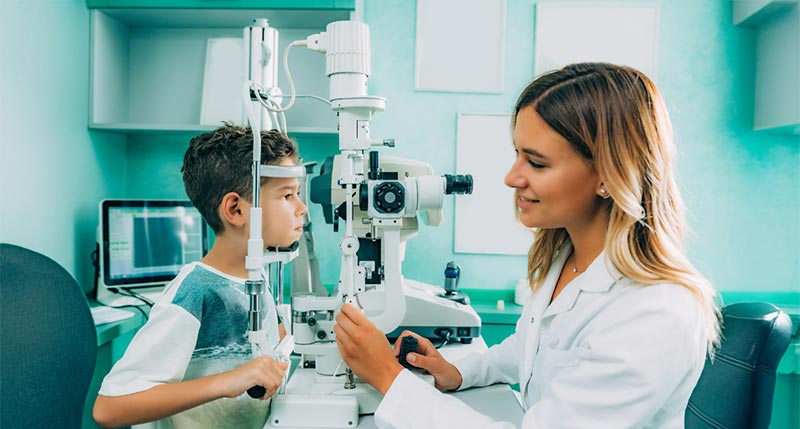
Our eyes are one of the most important parts of our body. They help us see, learn, work, and enjoy life. But many people only go for an eye check when they start having vision problems. A comprehensive eye examination is different. It is a full and detailed check of your eyes and vision, even if you think your eyesight is fine.
- What Is a Comprehensive Eye Examination?
- Why Is a Comprehensive Eye Examination Important?
- 1. Early Detection of Eye Diseases
- 2. Better Vision Correction
- 3. Detect Hidden Health Problems
- 4. Prevent Vision Loss
- 5. Improves Quality of Life
- Who Should Get a Comprehensive Eye Examination?
- How Often Should You Get an Eye Exam?
- What Happens During a Comprehensive Eye Examination?
- 1. Medical History Review
- 2. Visual Acuity Test
- 3. Refraction Test
- 4. Eye Muscle Test
- 5. Pupil Response Test
- 6. Slit-Lamp Examination
- 7. Eye Pressure Test (Tonometry)
- 8. Retina Examination
- Common Problems Detected in Eye Exams
- Eye Exams and Overall Health
- Benefits of Comprehensive Eye Examination
- 1. Clear and Comfortable Vision
- 2. Early Treatment
- 3. Personalized Eye Care
- 4. Better Academic and Work Performance
- 5. Peace of Mind
- Preparing for Your Eye Exam
- After the Eye Examination
- Tips for Keeping Your Eyes Healthy
- Conclusion
This type of eye exam helps detect vision problems, eye diseases, and even early signs of other health conditions. In simple words, it is not just about checking if you need glasses—it is about protecting your overall eye health.
In this article, we will explain what a comprehensive eye examination is, why it is important, what happens during the exam, who needs it, and how often you should get it.
What Is a Comprehensive Eye Examination?
A comprehensive eye examination is a complete and detailed test of your eyes performed by an eye care professional such as an optometrist or ophthalmologist.
Unlike a basic vision screening, which only checks how clearly you can see, a comprehensive eye exam checks:
- Your vision clarity
- Eye health
- Eye movement
- Eye pressure
- Retina and optic nerve condition
It can also help detect hidden diseases like diabetes, high blood pressure, and glaucoma.
In short, it is a full health check-up for your eyes.
Why Is a Comprehensive Eye Examination Important?
Many eye problems develop slowly and do not show early symptoms. You may feel your vision is fine, but damage could already be happening inside your eyes.
Here are some important reasons why this exam matters:
1. Early Detection of Eye Diseases
Diseases like glaucoma, cataracts, and macular degeneration can cause vision loss if not treated early.
2. Better Vision Correction
Even small changes in your eyesight can affect your daily life, especially reading, driving, or working on screens.
3. Detect Hidden Health Problems
A doctor can spot signs of other health issues like:
- Diabetes
- High blood pressure
- High cholesterol
4. Prevent Vision Loss
Early diagnosis helps prevent permanent damage to your eyesight.
5. Improves Quality of Life
Clear vision improves learning, working, and overall comfort in daily life.
Who Should Get a Comprehensive Eye Examination?
Everyone can benefit from a full eye exam, but some people need it more often.
You should get a comprehensive eye exam if you are:
- Children starting school
- Adults over 40
- People with diabetes or high blood pressure
- People who wear glasses or contact lenses
- People with eye strain or headaches
- Workers using computers for long hours
Even if you have no symptoms, regular eye exams are still important.
How Often Should You Get an Eye Exam?
The frequency depends on age and health condition:
- Children: Every 1–2 years
- Adults (18–39): Every 2 years
- Adults (40–64): Every 1–2 years
- Seniors (65+): Every year
- People with health conditions: As recommended by a doctor
Regular checkups help catch problems early.
What Happens During a Comprehensive Eye Examination?
A comprehensive eye exam includes several tests. Each test checks a different part of your vision and eye health.
1. Medical History Review
The doctor will ask about:
- Vision problems
- Headaches
- Family history of eye diseases
- Medical conditions
2. Visual Acuity Test
This is the basic test where you read letters on a chart to check how clearly you can see.
3. Refraction Test
This test determines if you need glasses or a change in your prescription.
4. Eye Muscle Test
The doctor checks how well your eye muscles work together and whether your eyes move properly.
5. Pupil Response Test
Your pupils are checked to see how they respond to light.
6. Slit-Lamp Examination
A special microscope is used to look at:
- Cornea
- Lens
- Eyelids
- Iris
This helps detect infections or damage.
7. Eye Pressure Test (Tonometry)
This test checks for glaucoma by measuring pressure inside the eye.
8. Retina Examination
The doctor checks the back of your eye (retina and optic nerve) for signs of disease.
Common Problems Detected in Eye Exams
A comprehensive eye examination can detect many conditions, including:
- Nearsightedness (myopia)
- Farsightedness (hyperopia)
- Astigmatism
- Cataracts
- Glaucoma
- Macular degeneration
- Dry eye syndrome
- Diabetic eye disease
Some of these conditions do not show symptoms early, which makes regular exams very important.
Eye Exams and Overall Health
Your eyes can reveal a lot about your general health. During a comprehensive eye examination, doctors may notice early signs of:
- Diabetes (through changes in blood vessels)
- High blood pressure
- Brain tumors (in rare cases through optic nerve changes)
- Vitamin deficiencies
This is why eye exams are not only about vision—they are part of full body health care.
Benefits of Comprehensive Eye Examination
A full eye exam provides many benefits:
1. Clear and Comfortable Vision
Helps improve reading, driving, and screen use.
2. Early Treatment
Detects diseases before they become serious.
3. Personalized Eye Care
Doctors give advice based on your specific needs.
4. Better Academic and Work Performance
Good vision improves focus and productivity.
5. Peace of Mind
Knowing your eyes are healthy reduces worry.
Preparing for Your Eye Exam
Before going for a comprehensive eye examination, you can prepare by:
- Bringing your current glasses or contact lenses
- Writing down any vision problems
- Listing medications you take
- Sharing your family eye health history
- Avoiding eye strain before the visit
This helps the doctor understand your condition better.
After the Eye Examination
After your exam, the doctor may:
- Give you a new prescription for glasses or lenses
- Recommend eye drops or medication
- Suggest lifestyle changes (like reducing screen time)
- Ask you to come for follow-up visits if needed
If your eyes are healthy, you may not need treatment but will still be advised to return for regular checkups.
Tips for Keeping Your Eyes Healthy
Even after regular exams, you should take care of your eyes daily:
- Take breaks from screens
- Wear sunglasses in sunlight
- Eat healthy foods rich in vitamins A and C
- Avoid rubbing your eyes
- Get enough sleep
- Stay hydrated
These habits support long-term eye health.
Conclusion
A comprehensive eye examination is one of the most important steps in protecting your vision and overall health. It is not just a simple vision test—it is a full check-up of your eyes that can detect early signs of eye diseases and other health conditions.
Many eye problems develop silently, without pain or warning signs. That is why regular eye exams are essential for people of all ages. Whether you are a child, adult, or senior, taking care of your eyes today can protect your vision for the future.
Clear vision improves your quality of life, and a simple eye exam can make a big difference.
FAQs
1. What is a comprehensive eye examination?
It is a detailed eye check-up that tests vision, eye health, and detects eye diseases.
2. How long does a full eye exam take?
It usually takes 30 to 60 minutes depending on the tests required.
3. Does a comprehensive eye exam hurt?
No, the exam is painless and safe for all ages.
4. Can eye exams detect other diseases?
Yes, they can sometimes detect signs of diabetes, high blood pressure, and other health issues.
5. How often should I get a comprehensive eye examination?
Most people should get it every 1–2 years, but those with health conditions may need more frequent exams.