


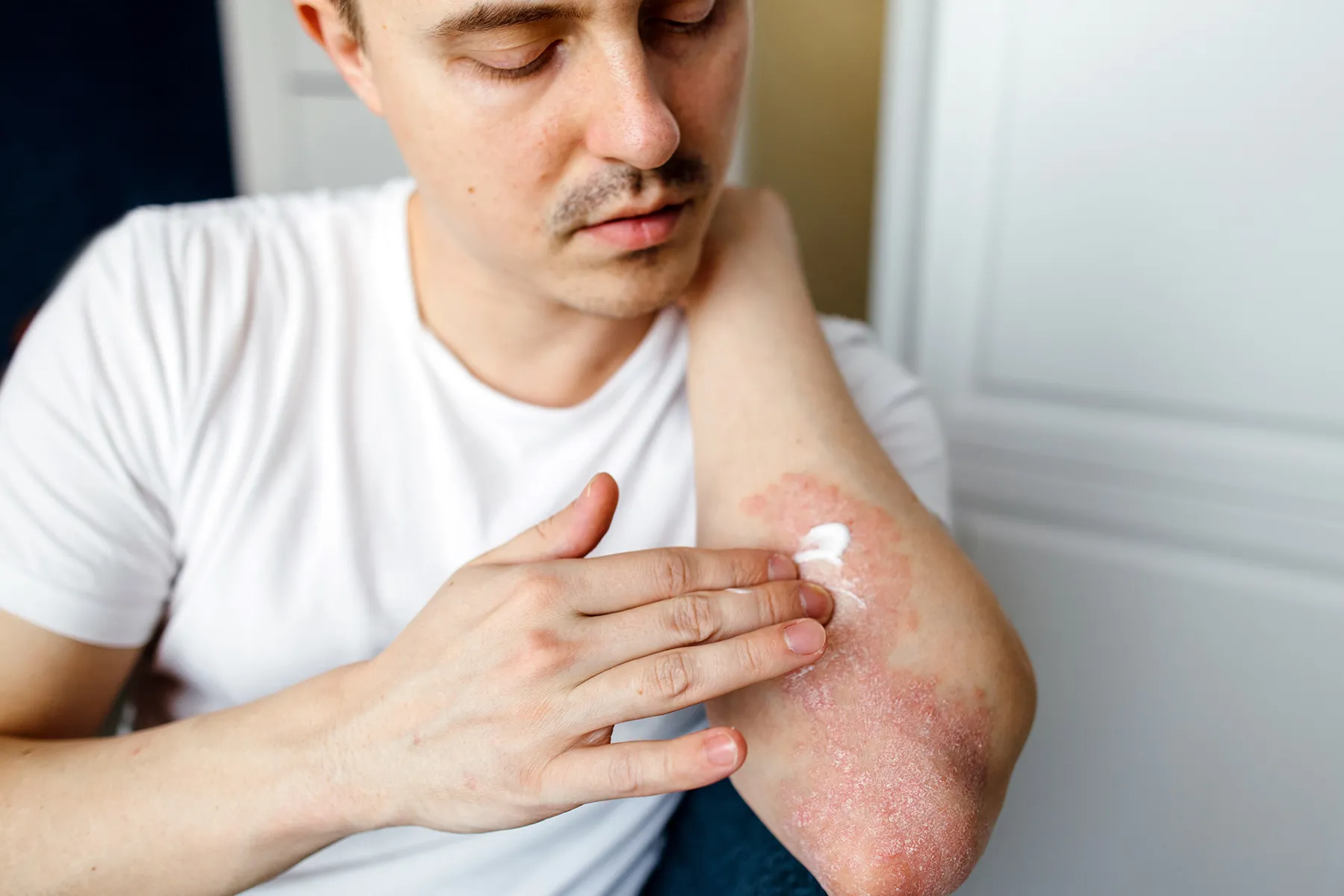
Skin problems like eczema and psoriasis are more common than many people think. These conditions can affect your comfort, confidence, and daily life. If you are searching for “eczema and psoriasis treatment dermatologist”, it means you are looking for a skin specialist who can properly diagnose and treat these long-term skin issues.
- Understanding Eczema and Psoriasis
- Why You Need a Dermatologist
- Diagnosis by a Dermatologist
- Treatment Options for Eczema and Psoriasis
- 1. Topical Treatments (Creams and Ointments)
- 2. Oral Medications
- 3. Light Therapy (Phototherapy)
- 4. Biologic Treatments (Advanced Option)
- 5. Lifestyle and Skin Care Management
- Home Care Tips for Better Results
- Emotional Impact of Skin Conditions
- When Should You See a Dermatologist?
- Long-Term Management
In this article, we will explain both conditions in simple words, how dermatologists treat them, what options are available, and how you can manage symptoms at home in a safe way.
Understanding Eczema and Psoriasis
Before learning about treatment, it is important to understand what these skin conditions are.
What is Eczema?
Eczema, also called atopic dermatitis, is a skin condition that causes:
- Redness
- Itching (often severe)
- Dry and cracked skin
- Small bumps or rashes
- Flare-ups that come and go
Eczema often starts in childhood but can appear at any age. It is not contagious, so it cannot spread from person to person.
Common triggers include:
- Allergies (dust, pollen, pet dander)
- Harsh soaps or chemicals
- Stress
- Weather changes (especially dry or cold air)
What is Psoriasis?
Psoriasis is an autoimmune skin condition, meaning the immune system becomes overactive and speeds up skin cell growth. This leads to:
- Thick, scaly patches on the skin
- Red or pink areas with silvery-white scales
- Dry, cracked skin that may bleed
- Itching or burning sensation
Psoriasis commonly appears on:
- Elbows
- Knees
- Scalp
- Lower back
Like eczema, psoriasis is also not contagious.
Why You Need a Dermatologist
Searching for an eczema and psoriasis treatment dermatologist is important because both conditions can look similar but need different treatments.
A dermatologist helps by:
- Correctly diagnosing the condition
- Identifying triggers
- Creating a personalized treatment plan
- Preventing flare-ups
- Treating severe or long-term cases
Self-treatment without proper diagnosis can sometimes make symptoms worse.
Diagnosis by a Dermatologist
When you visit a dermatologist, they may:
- Examine your skin closely
- Ask about your medical history
- Discuss your symptoms and triggers
- In some cases, perform a skin biopsy (a small sample of skin for testing)
This helps confirm whether it is eczema, psoriasis, or another skin condition.
Treatment Options for Eczema and Psoriasis
Treatment depends on the severity of the condition. Dermatologists usually combine multiple approaches for the best results.
1. Topical Treatments (Creams and Ointments)
These are applied directly to the skin.
For eczema:
- Moisturizing creams (very important)
- Corticosteroid creams to reduce inflammation
- Calcineurin inhibitors for sensitive areas like the face
For psoriasis:
- Steroid creams to reduce redness
- Vitamin D creams to slow skin cell growth
- Coal tar products to reduce scaling
2. Oral Medications
For moderate to severe cases, dermatologists may prescribe:
- Antihistamines (for itching in eczema)
- Immunosuppressants (to control immune response in psoriasis)
- Retinoids (to slow skin cell production)
These medications must always be taken under medical supervision.
3. Light Therapy (Phototherapy)
Phototherapy uses controlled ultraviolet (UV) light to treat skin conditions.
It helps by:
- Reducing inflammation
- Slowing down skin cell growth in psoriasis
- Improving eczema symptoms
This treatment is done in a clinic under expert supervision.
4. Biologic Treatments (Advanced Option)
For severe psoriasis, dermatologists may recommend biologic drugs. These are modern medicines that target specific parts of the immune system.
Benefits include:
- Long-term control of symptoms
- Fewer flare-ups
- Improved skin appearance
Biologics are usually given as injections or infusions.
5. Lifestyle and Skin Care Management
Dermatologists always recommend lifestyle changes along with medical treatment.
For eczema:
- Use fragrance-free soaps
- Apply moisturizer daily
- Avoid scratching
- Wear soft cotton clothes
For psoriasis:
- Keep skin moisturized
- Avoid alcohol and smoking
- Manage stress
- Maintain a healthy weight
Home Care Tips for Better Results
Even with medical treatment, daily care is very important.
Here are some simple tips:
For Eczema:
- Take short, lukewarm showers
- Apply moisturizer immediately after bathing
- Avoid hot water and harsh soaps
- Keep nails short to prevent skin damage
For Psoriasis:
- Keep skin hydrated
- Avoid triggers like stress and infections
- Get moderate sunlight exposure (if advised by doctor)
- Follow medication schedule properly
Emotional Impact of Skin Conditions
Eczema and psoriasis are not just physical conditions. They can also affect emotional health. Many people feel:
- Embarrassed about visible skin patches
- Frustrated due to constant itching
- Stress due to flare-ups
A dermatologist not only treats the skin but also helps patients manage long-term confidence and comfort.
Support from family, friends, and healthcare providers is very important.
When Should You See a Dermatologist?
You should visit a dermatologist if:
- Skin itching is severe or long-lasting
- Rashes keep coming back
- Over-the-counter creams are not helping
- Skin becomes painful or infected
- Symptoms affect sleep or daily life
Early treatment helps prevent complications.
Long-Term Management
Eczema and psoriasis are often chronic conditions, meaning they may not fully disappear but can be controlled.
With proper care:
- Symptoms can be reduced significantly
- Flare-ups become less frequent
- Skin can stay healthy for longer periods
Consistency is the key to success.
Conclusion
If you are searching for eczema and psoriasis treatment dermatologist, it means you are already taking the right step toward better skin health. Both conditions require proper diagnosis, personalized treatment, and consistent care.
Dermatologists offer a wide range of treatments from creams and medications to advanced therapies like phototherapy and biologics. Along with medical treatment, lifestyle changes play a big role in controlling symptoms.
With the right guidance, people with eczema and psoriasis can live a comfortable, confident, and healthy life.
FAQs
1. Can eczema and psoriasis be cured permanently?
There is no permanent cure, but both conditions can be controlled effectively with proper treatment and care.
2. Is psoriasis contagious?
No, psoriasis is not contagious. It cannot spread from person to person.
3. What triggers eczema flare-ups?
Common triggers include allergens, stress, harsh soaps, weather changes, and skin dryness.
4. Do I need a dermatologist for mild skin problems?
Yes, especially if symptoms persist or worsen. A dermatologist ensures correct diagnosis and treatment.
5. Are natural remedies enough for treatment?
Natural remedies may help with mild symptoms, but medical treatment from a dermatologist is usually necessary for long-term control.