


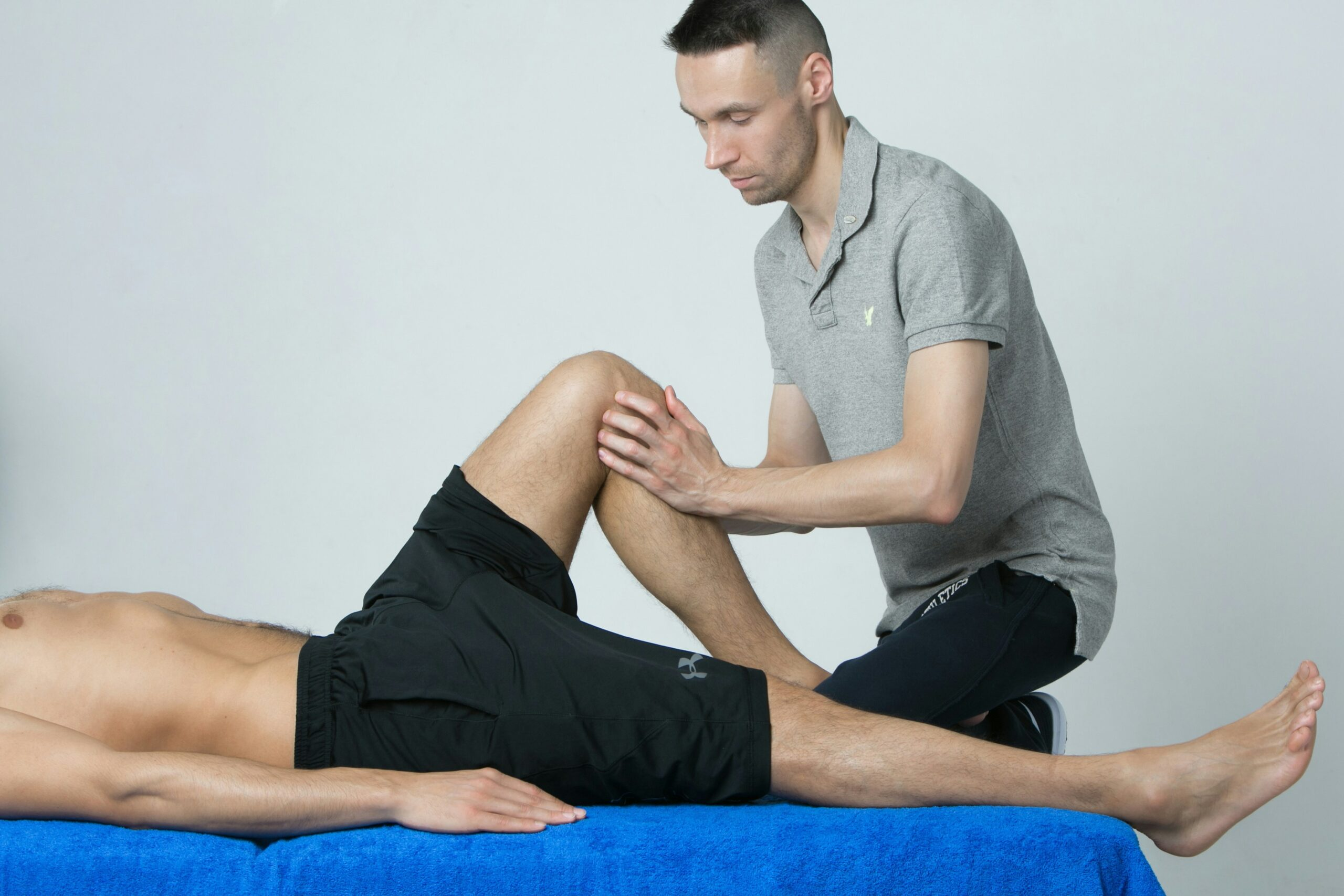
Knee pain is one of the most common joint problems affecting people of all ages. It can happen due to injury, aging, arthritis, overuse, or weak muscles around the knee. Many people think surgery or strong medicines are the only solutions, but in reality, physiotherapy treatment exercises for knee pain are one of the safest and most effective ways to reduce pain and improve movement.
- Understanding Knee Pain and Its Causes
- Why Physiotherapy is Important for Knee Pain
- Knee Pain Physiotherapy Treatment Exercises
- 1. Straight Leg Raise
- 2. Quad Sets (Thigh Tightening Exercise)
- 3. Heel Slides
- 4. Wall Squats (Partial Squats)
- 5. Hamstring Stretch
- 6. Step-Ups
- Tips for Safe Physiotherapy Practice
- Lifestyle Changes for Better Knee Health
- When to See a Physiotherapist or Doctor
- Conclusion
- FAQs
Physiotherapy focuses on strengthening muscles, improving flexibility, and restoring normal function of the knee joint. In this article, we will explain how knee pain physiotherapy works, why exercises are important, and which simple exercises can help you recover naturally at home or under a physiotherapist’s guidance.
Understanding Knee Pain and Its Causes
Before starting exercises, it is important to understand why knee pain happens. The knee is a complex joint that carries your body weight and helps you walk, run, sit, and climb stairs.
Common causes of knee pain include:
- Osteoarthritis (wear and tear of cartilage)
- Ligament injuries (ACL, MCL tears)
- Meniscus tear (cartilage damage)
- Muscle weakness around the knee
- Excess body weight
- Sports injuries
- Aging and joint degeneration
When the muscles around the knee become weak, the joint loses support. This increases pressure on bones and cartilage, causing pain and stiffness.
Why Physiotherapy is Important for Knee Pain
Physiotherapy is not just about exercise; it is a complete recovery process. A trained physiotherapist creates a personalized plan based on your condition.
Benefits of knee physiotherapy include:
- Reduces pain naturally without heavy medication
- Improves joint flexibility and movement
- Strengthens muscles around the knee
- Helps in faster recovery after injury or surgery
- Prevents future knee problems
- Improves balance and walking ability
The main goal is to make your knee strong enough to handle daily activities without pain.
Knee Pain Physiotherapy Treatment Exercises
Now let’s discuss some simple and effective exercises commonly recommended in physiotherapy for knee pain. These exercises are easy and can often be done at home.
1. Straight Leg Raise
This is one of the most basic and effective knee strengthening exercises.
How to do it:
- Lie down on your back
- Keep one leg straight and bend the other
- Slowly lift the straight leg about 12 inches off the ground
- Hold for 5–10 seconds
- Slowly bring it down
Benefits:
- Strengthens thigh muscles (quadriceps)
- Reduces stress on knee joint
- Improves stability
Repeat 10–15 times for each leg.
2. Quad Sets (Thigh Tightening Exercise)
This exercise helps activate and strengthen the front thigh muscles.
How to do it:
- Sit or lie down with your leg straight
- Tighten the muscles on top of your thigh
- Press the back of your knee gently toward the floor
- Hold for 5–10 seconds and relax
Benefits:
- Improves muscle strength without knee movement
- Reduces stiffness
- Helpful after injury or surgery
Do 10–15 repetitions daily.
3. Heel Slides
Heel slides improve knee flexibility and movement.
How to do it:
- Lie on your back
- Slowly slide your heel toward your body
- Bend your knee as much as comfortable
- Then slowly straighten it again
Benefits:
- Improves knee range of motion
- Reduces stiffness
- Helps in rehabilitation after injury
Repeat 10–12 times.
4. Wall Squats (Partial Squats)
This exercise strengthens the entire lower body.
How to do it:
- Stand with your back against a wall
- Slowly slide down into a sitting position
- Do not go too low if pain increases
- Hold for 5–10 seconds and rise back up
Benefits:
- Strengthens thighs and hips
- Supports knee joint stability
- Improves balance
Start with 5–10 repetitions.
5. Hamstring Stretch
Tight hamstrings can increase knee pain, so stretching is important.
How to do it:
- Sit on the floor with one leg straight
- Reach toward your toes slowly
- Hold the stretch for 15–20 seconds
- Switch legs
Benefits:
- Reduces pressure on knees
- Improves flexibility
- Prevents injury
6. Step-Ups
This exercise helps in daily movement like climbing stairs.
How to do it:
- Use a small step or platform
- Step up with one leg, then bring the other leg up
- Step down slowly
Benefits:
- Improves strength and coordination
- Helps in real-life movements
- Builds knee stability
Start slowly with 10 repetitions per leg.
Tips for Safe Physiotherapy Practice
To get the best results from knee pain physiotherapy exercises, follow these simple tips:
- Always warm up before exercise
- Do not push through severe pain
- Start slowly and increase gradually
- Maintain proper posture
- Use support if needed (chair or wall)
- Stay consistent for long-term results
If pain increases during exercise, stop immediately and consult a physiotherapist.
Lifestyle Changes for Better Knee Health
Exercises alone are not enough. You also need healthy habits to support your recovery:
- Maintain a healthy body weight
- Avoid sitting or standing for too long
- Wear supportive footwear
- Avoid high-impact activities like jumping or running on hard surfaces
- Eat calcium and vitamin D-rich foods
- Stay active with light walking or swimming
These changes reduce pressure on your knees and help prevent future problems.
When to See a Physiotherapist or Doctor
You should seek professional help if:
- Knee pain lasts more than 2 weeks
- You have swelling or redness
- You cannot bend or straighten your knee
- Pain is severe after injury
- You hear clicking or locking in the joint
A physiotherapist can design a proper treatment plan based on your condition.
Conclusion
Knee pain can affect your daily life, but it does not always require surgery or strong medication. With regular knee pain physiotherapy treatment exercises, you can strengthen your muscles, improve flexibility, and reduce pain naturally.
The key to success is consistency. Even simple exercises like straight leg raises, quad sets, and heel slides can make a big difference over time. Combined with a healthy lifestyle and proper guidance, physiotherapy can help you return to a pain-free and active life.
FAQs
1. How often should I do knee physiotherapy exercises?
Most exercises can be done once or twice daily, depending on your pain level and physiotherapist’s advice.
2. Can knee pain be cured completely with physiotherapy?
Yes, many mild to moderate cases improve significantly with regular physiotherapy and lifestyle changes.
3. Is walking good for knee pain?
Yes, slow and controlled walking is helpful, but avoid overdoing it or walking on hard uneven surfaces.
4. How long does it take to see results?
You may start feeling improvement in 2–4 weeks, but full recovery may take longer depending on the condition.
5. Should I stop exercise if I feel pain?
Mild discomfort is normal, but sharp or severe pain means you should stop and consult a physiotherapist.
If you want, I can also create SEO meta title, meta description, and keywords list for this article to help it rank on Google.