

Irregular periods are a common problem faced by many women at different stages of life. A normal menstrual cycle usually comes every 21 to 35 days, but when the timing becomes unpredictable, too early, too late, or sometimes missing for months, it is called irregular periods. One of the main reasons behind this issue is hormonal imbalance.
- What Causes Irregular Periods and Hormonal Imbalance?
- 1. Polycystic Ovary Syndrome (PCOS)
- 2. Stress and Mental Pressure
- 3. Thyroid Problems
- 4. Sudden Weight Gain or Loss
- 5. Excess Exercise
- 6. Pregnancy or Breastfeeding
- 7. Age Factors
- Common Symptoms of Hormonal Imbalance
- Diagnosis: How Doctors Identify the Problem
- Treatment for Irregular Periods and Hormonal Imbalance
- 1. Lifestyle Changes (First Step in Treatment)
- 2. Medical Treatments
- 3. Natural and Herbal Support
- 4. Treatment for PCOS
- 5. Surgical Treatment (Rare Cases)
- Importance of Early Treatment
- How to Maintain Hormonal Balance Naturally
- Conclusion
- FAQs
Hormones are chemical messengers in the body that control many important functions, including the menstrual cycle. When these hormones are not in balance, it can affect ovulation, cycle timing, and overall reproductive health. The good news is that there are many effective treatments for irregular periods and hormonal imbalance, depending on the cause.
In this article, we will explain the causes, symptoms, diagnosis, and treatment options in simple and easy language so you can better understand your body and take the right steps toward better health.
What Causes Irregular Periods and Hormonal Imbalance?
There are many reasons why hormones can become unbalanced. Some are related to lifestyle, while others may be medical conditions.
1. Polycystic Ovary Syndrome (PCOS)
One of the most common causes is PCOS. It is a condition where the ovaries produce too many male hormones (androgens), which can stop regular ovulation and cause irregular periods.
2. Stress and Mental Pressure
High stress levels affect the brain’s hormone control center (hypothalamus). This can delay or stop periods.
3. Thyroid Problems
The thyroid gland controls metabolism and also affects menstrual cycles. Both underactive and overactive thyroid can cause irregular periods.
4. Sudden Weight Gain or Loss
Body fat plays a role in estrogen production. Extreme weight changes can disturb hormone levels.
5. Excess Exercise
Heavy physical training without proper nutrition can stop or delay periods.
6. Pregnancy or Breastfeeding
These are natural reasons for missed or irregular periods.
7. Age Factors
Teenagers and women approaching menopause often experience hormonal changes that affect periods.
Common Symptoms of Hormonal Imbalance
Hormonal imbalance does not only affect periods. It can show many other signs in the body, such as:
- Irregular or missed periods
- Heavy or very light bleeding
- Acne or oily skin
- Weight gain or difficulty losing weight
- Hair loss or unwanted facial hair
- Mood swings and irritability
- Fatigue or low energy
- Sleep problems
- Headaches
If you notice several of these symptoms together, it may indicate a hormonal imbalance that needs attention.
Diagnosis: How Doctors Identify the Problem
To treat irregular periods, doctors first try to find the root cause. Diagnosis may include:
1. Medical History
The doctor will ask about your menstrual cycle, lifestyle, stress levels, and symptoms.
2. Blood Tests
These tests check hormone levels like estrogen, progesterone, thyroid hormones, and insulin.
3. Ultrasound
A pelvic ultrasound helps check the ovaries and uterus, especially for conditions like PCOS.
4. Physical Examination
This helps identify visible signs like weight changes, acne, or excess hair growth.
Proper diagnosis is very important because treatment depends on the exact cause.
Treatment for Irregular Periods and Hormonal Imbalance
Treatment is not the same for everyone. It depends on age, symptoms, and underlying health issues. Below are the most common and effective treatment options.
1. Lifestyle Changes (First Step in Treatment)
In many cases, simple lifestyle improvements can make a big difference.
Healthy Diet
Eating a balanced diet helps regulate hormones. Include:
- Fresh fruits and vegetables
- Whole grains
- Protein-rich foods like eggs, fish, and beans
- Healthy fats like nuts and olive oil
Avoid too much sugar, junk food, and processed snacks.
Regular Exercise
Moderate exercise like walking, yoga, or swimming helps balance hormones and improve blood circulation.
Stress Management
Stress is a major hormone disruptor. Practices like meditation, deep breathing, and good sleep can help.
Healthy Weight
Maintaining a healthy weight is very important for regular periods.
2. Medical Treatments
If lifestyle changes are not enough, doctors may suggest medicines.
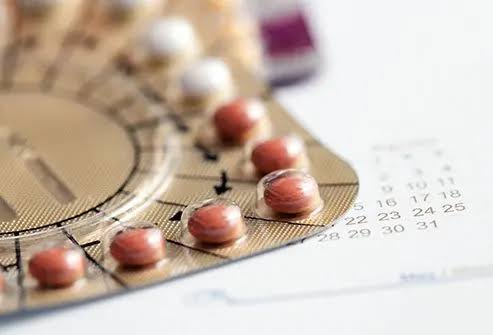
Birth Control Pills
These are commonly used to regulate periods and balance hormones. They help control estrogen and progesterone levels.
Hormone Therapy
In some cases, doctors prescribe specific hormones to correct imbalance.
Thyroid Medication
If thyroid disease is the cause, proper thyroid medicine is given to normalize hormone levels.
Insulin-Sensitizing Drugs
For women with PCOS, medicines like metformin may help improve insulin resistance and regulate cycles.
3. Natural and Herbal Support
Some women prefer natural approaches along with medical care. These may include:
- Herbal teas (like ginger or cinnamon tea)
- Vitamin supplements (Vitamin D, B-complex, iron)
- Omega-3 fatty acids
- Ayurvedic or traditional treatments (under supervision)
However, natural remedies should not replace medical advice when symptoms are severe.
4. Treatment for PCOS
If PCOS is the main cause, treatment may include:
- Weight management
- Hormonal medications
- Fertility treatments (if pregnancy is desired)
- Acne or hair treatments
- Lifestyle and diet changes
PCOS treatment is usually long-term and requires consistency.
5. Surgical Treatment (Rare Cases)
Surgery is rarely needed, but in extreme cases like ovarian cyst complications, doctors may recommend surgical procedures.
Importance of Early Treatment
Ignoring irregular periods for a long time can lead to:
- Fertility problems
- Severe hormonal disorders
- Anemia due to heavy bleeding
- Emotional stress
Early treatment helps prevent complications and improves overall health.
How to Maintain Hormonal Balance Naturally
Even after treatment, maintaining hormonal balance is important. Here are some simple tips:
- Sleep at least 7–8 hours daily
- Drink plenty of water
- Avoid smoking and alcohol
- Eat on time and avoid skipping meals
- Stay physically active
- Keep stress under control
Small daily habits can make a big difference in long-term hormonal health.
Conclusion
Irregular periods and hormonal imbalance are common but manageable conditions. They can be caused by lifestyle factors, medical conditions like PCOS or thyroid problems, or emotional stress. The key to effective treatment is identifying the root cause and following a proper plan.
With the right combination of healthy lifestyle changes, medical treatment, and regular check-ups, most women can restore their menstrual health and improve their overall well-being.
If you are experiencing irregular periods, it is always best to consult a healthcare professional rather than ignoring the symptoms. Early care leads to better results and a healthier life.
FAQs
1. What is the main cause of irregular periods?
The most common causes are hormonal imbalance, PCOS, stress, thyroid issues, and sudden weight changes.
2. Can irregular periods be cured naturally?
Yes, mild cases can improve with a healthy diet, exercise, stress control, and proper sleep. However, medical treatment may be needed in some cases.
3. Is PCOS the same as hormonal imbalance?
PCOS is a type of hormonal imbalance that affects the ovaries and menstrual cycle, but not all hormonal imbalance cases are PCOS.
4. When should I see a doctor for irregular periods?
If your periods are missing for more than 2–3 months or are very painful, heavy, or unpredictable, you should consult a doctor.
5. Can stress really affect my menstrual cycle?
Yes, high stress can disrupt brain signals that control hormones, leading to delayed or missed periods.